

Summary
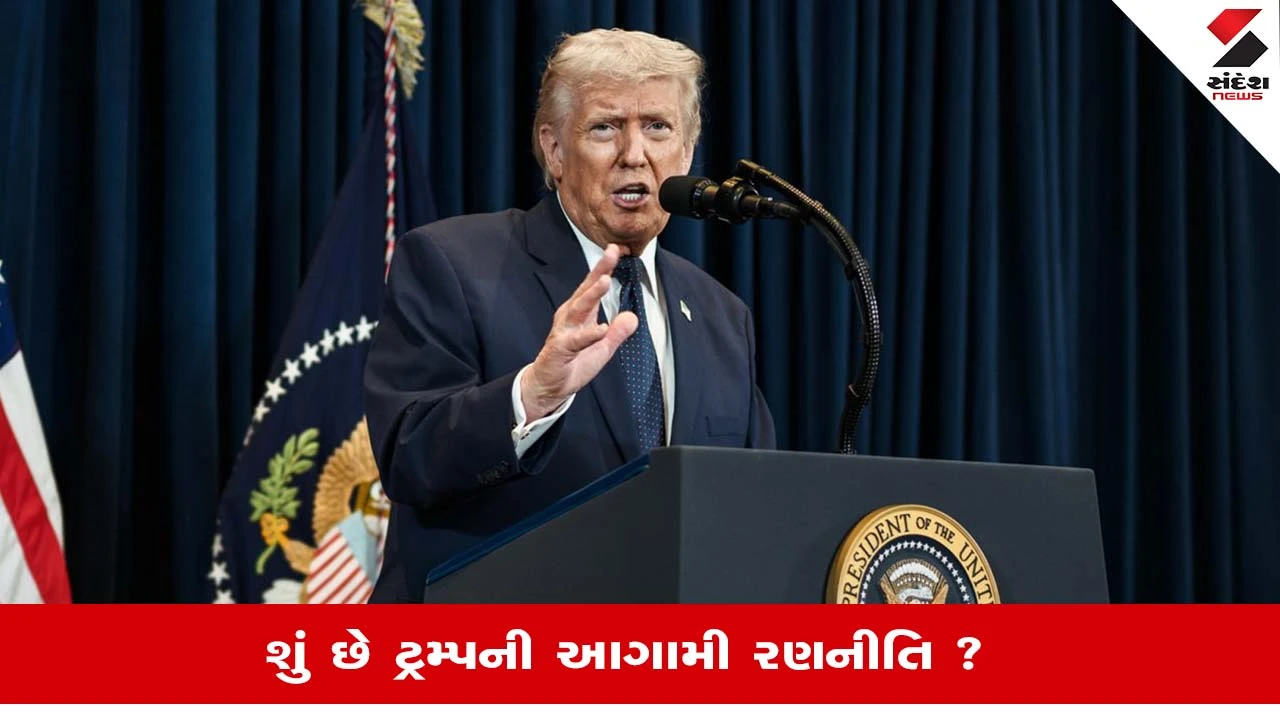
The United States is currently seeking a way to move away from its conflict with Iran without signing a formal peace deal. Recent reports suggest that President Donald Trump is not interested in starting a full-scale war, despite the failure of recent peace talks in Pakistan. Instead of direct military strikes on Iranian land, the U.S. is focusing its efforts on controlling the Strait of Hormuz. This shift in strategy shows that the U.S. wants to avoid the high costs and risks of a long-term war in the Middle East.
Main Impact
The decision to step back from a direct fight has created a major change in how Middle Eastern countries view their safety. For decades, many nations in the region relied on the U.S. military for protection. Now, seeing that the U.S. might exit the conflict without a solid plan, these countries are taking matters into their own hands. This has led to new military alliances and the hiring of foreign soldiers to guard oil-rich nations. The impact is a less predictable region where local powers must now look after themselves.
Key Details
What Happened
Peace meetings held in Islamabad, Pakistan, recently ended without any clear results. While these talks did not lead to a signed agreement, they gave the U.S. a reason to change its approach. Washington has signaled that it may simply walk away from the war environment rather than forcing a new treaty. Iran has refused to give up its nuclear materials or stop refining uranium within its own borders. In response, the U.S. has moved its focus to the water. The U.S. government announced that any ship paying a "toll" to Iran to pass through the Strait of Hormuz will be targeted or destroyed once it reaches the Gulf of Oman.
Important Numbers and Facts
The scale of this shift is visible in the movement of troops across the region. Saudi Arabia has recently brought in 13,000 soldiers from Pakistan to help protect its capital, Riyadh. This move happened because Saudi leaders worry the U.S. will no longer provide the same level of security. Additionally, the U.S. is trying to avoid the mistakes of the 2015 nuclear deal. President Trump does not want to sign a "weak" agreement that looks worse than previous ones, so he is choosing to stay away from the negotiating table entirely for now.
Background and Context
The tension between the U.S. and Iran has been high for many years, mostly over Iran's nuclear program and its influence in the Middle East. The Strait of Hormuz is one of the most important places in the world for the oil trade. Millions of barrels of oil pass through this narrow waterway every day. Iran has often threatened to close this path to hurt the global economy. In the past, the U.S. promised to keep the water open by force if necessary. However, the cost of maintaining a large number of troops and ships in the area is very high. The current U.S. administration believes that a full war would cause more harm than good to American interests.
Public or Industry Reaction
The reaction from nearby countries has been one of deep concern. Nations like Kuwait, Qatar, and the United Arab Emirates are now speeding up their own defense plans. They feel that the U.S. is leaving them to face Iran alone. Within the U.S., some political experts believe that walking away without a deal is a smart way to avoid "forever wars." However, others argue that leaving without a clear agreement allows Iran to continue its nuclear work without any rules. Shipping companies are also worried because the new U.S. policy puts their vessels in danger if they follow Iran's rules for passing through the Strait.
What This Means Going Forward
In the coming months, we can expect a "cold" standoff rather than an active war. The U.S. will likely use economic pressure and sea blockades instead of sending more soldiers to the ground. This means the risk of a massive explosion of violence is lower, but the region will remain unstable. Iran is expected to keep refining uranium, which will keep the world on edge. For the global oil market, this could mean higher prices as shipping becomes more dangerous and expensive. The U.S. is not in a hurry to fix the situation and seems content to let the local powers handle the daily security challenges.
Final Take
The United States is prioritizing its own safety and budget by avoiding a direct war with Iran. By shifting the focus to maritime rules and allowing regional allies to hire their own protection, the U.S. is slowly removing itself from a difficult situation. While this prevents an immediate war, it leaves many questions about the future of nuclear safety and the stability of the world's oil supply. The move shows a clear change in American policy: staying out of trouble is now more important than being the world's primary police force.
Frequently Asked Questions
Why is the U.S. avoiding a direct war with Iran?
The U.S. government believes that a full-scale war would be too expensive and risky for American troops. They have decided that the potential damage of a war outweighs any benefits they might get from a military victory.
What is the new rule for ships in the Strait of Hormuz?
The U.S. has warned that any ship paying a toll to Iran to pass through the Strait will be considered a target. The U.S. says it will destroy such ships when they enter the Gulf of Oman to prevent Iran from making money off international shipping.
Why did Saudi Arabia hire 13,000 Pakistani soldiers?
Saudi Arabia is worried that the U.S. is pulling back its military support from the region. To ensure their own safety against potential threats, they have brought in thousands of Pakistani troops to guard their country.