

Summary
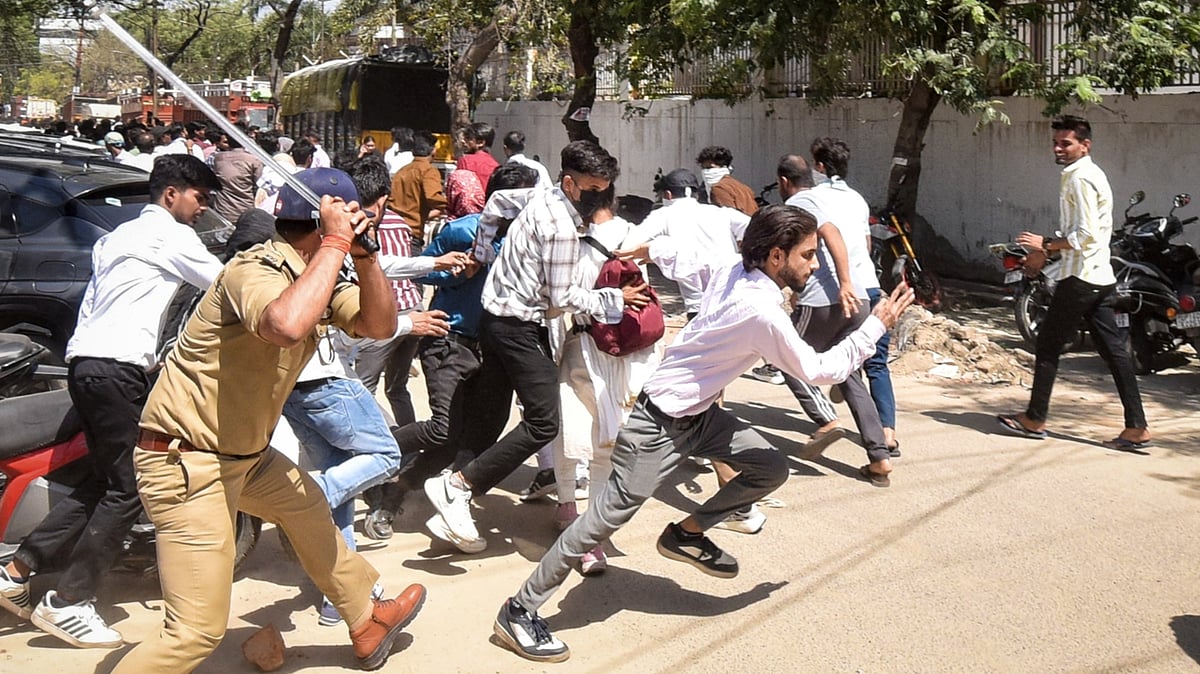
Police in Noida have taken strong action following a series of violent protests by local workers. More than 300 individuals have been taken into custody, and seven official police reports, known as FIRs, have been filed. Authorities are now investigating whether a secret organized group helped plan the unrest using digital tools like WhatsApp and QR codes. While the situation is currently under control, the government is looking into the root causes of the anger among the workforce.
Main Impact
The recent unrest has caused a major security response in Gautam Buddh Nagar. The most significant impact is the shift in the police investigation from simple crowd control to a deeper look at a possible conspiracy. Police Commissioner Laxmi Singh has suggested that the protests were not entirely spontaneous. Instead, they appear to have been coordinated by a "syndicate" that used modern technology to gather large numbers of people quickly. This has led to increased police presence and a focus on finding the people who funded or organized the events.
Key Details
What Happened
The trouble began on Monday when workers at several locations in Noida started protesting. These demonstrations quickly turned violent, leading to property damage and clashes. In response, the police launched a large-scale operation to restore order. By Tuesday morning, officers were conducting "route marches," which are organized walks through the streets to show a strong police presence and discourage further violence. At three different spots where workers tried to gather again, the police used dialogue to convince them to leave peacefully within 15 minutes.
Important Numbers and Facts
The scale of the police response is clear from the data released by the department. Over 300 people are currently being held by the authorities. Seven FIRs have been registered, which are the first steps in the legal process against those accused of breaking the law. Investigators found that several WhatsApp groups were created just two days before the violence started. They also discovered that people were being invited to join these groups using QR codes, a method often used by tech-savvy organizations to bypass traditional oversight.
Background and Context
Noida is a major industrial hub where thousands of people work in factories and offices. This area is vital for the economy of Uttar Pradesh and the country. However, many workers have been expressing frustration over their living and working conditions. Reports from the ground suggest that some workers earn as little as 300 rupees a day. Even with overtime, some only take home 700 rupees. With the cost of living rising, many families are struggling to pay for basic needs like food and medicine. One worker shared a heartbreaking story about having to skip doses of her child's medicine just to make the supply last longer. This economic pressure created a tense environment that was easily sparked into a larger protest.
Public or Industry Reaction
The protests have caught the attention of top political leaders. Some politicians have blamed the government’s economic policies for the unrest, arguing that workers are being treated unfairly by large companies. On the other hand, state leaders have raised concerns about outside influence. There are worries that extremist groups might be taking advantage of the workers' genuine problems to create chaos. Meanwhile, the business community in Noida is concerned about the safety of their factories and the stability of the local economy. They are looking for a solution that ensures both fair treatment for workers and a safe environment for business.
What This Means Going Forward
The government of Uttar Pradesh has formed a high-powered committee to deal with the situation. This group has been holding long meetings with different stakeholders, including worker representatives and factory owners. They are expected to release a set of recommendations soon to address the workers' grievances. At the same time, the police investigation is moving into a financial phase. Detectives are checking to see if any money was sent from outside the state or even from other countries to help start the riots. If they find evidence of outside funding, it could lead to even more serious charges against the organizers.
Final Take
The situation in Noida highlights a difficult balance between maintaining law and order and addressing the real economic struggles of the working class. While the police must stop violence and investigate illegal coordination, the underlying issues of low wages and high costs cannot be ignored. The success of the government's new committee will be measured by its ability to provide real relief to workers while ensuring that such violent disruptions do not happen again. For now, the heavy police presence remains a reminder of how quickly local frustrations can turn into a major security challenge.
Frequently Asked Questions
Why were the workers in Noida protesting?
Workers were protesting due to low wages and difficult living conditions. Many reported that their daily pay is not enough to cover basic costs like food and healthcare for their families.
What is the "syndicate" the police mentioned?
The police believe an organized group used WhatsApp and QR codes to coordinate the protests. They are investigating if this group had a plan to cause violence and where they received their money from.
Is Noida safe for businesses and residents now?
Yes, the police have increased security and are conducting regular patrols. A government committee is also working on a plan to resolve the workers' issues peacefully to prevent more trouble.